Bathroom Tiles: A Complete Guide
Explore bathroom tiles types, selection, and care for durable, stylish spaces.
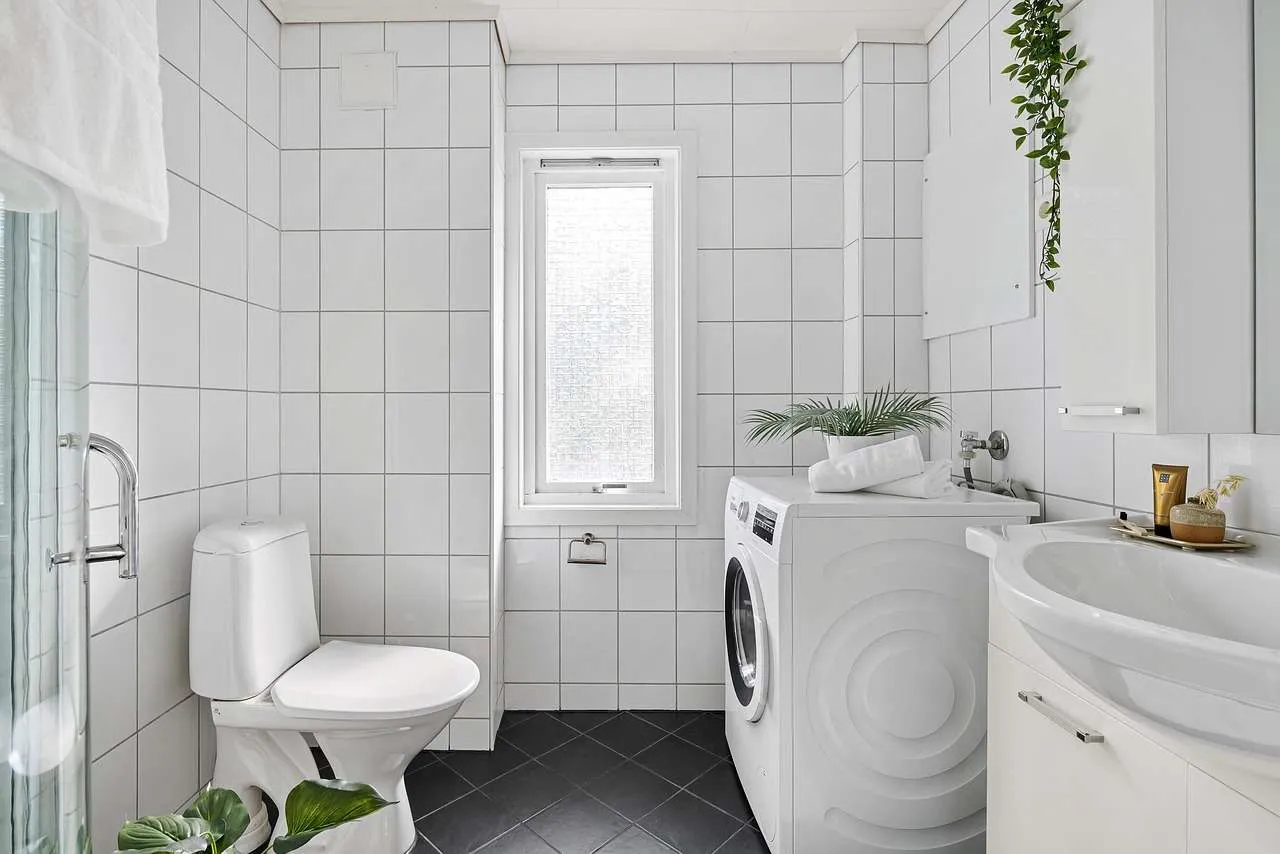
Bathroom tiles are more than a decorative element; they define durability, safety, and the overall feel of a space. With thousands of options, choosing wisely requires knowledge of materials, installation methods, and maintenance. In this guide, we draw on field-tested practices from experienced installers and designers, align them with current industry standards, and offer practical steps to help you select bathroom tiles that look great and stand up to moisture and wear.
Types of bathroom tiles
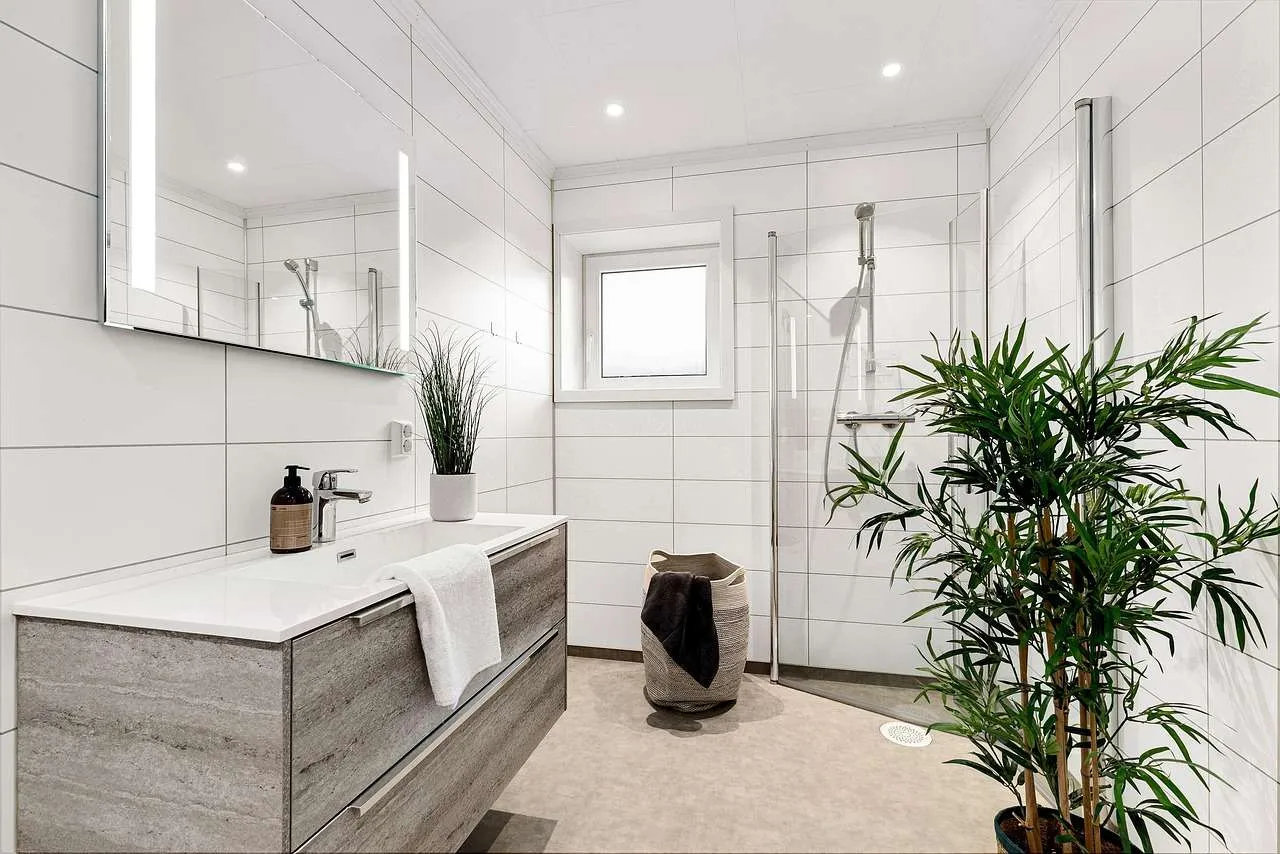
Porcelain tiles are dense and have low water absorption, making them ideal for floors and wet areas. Ceramic tiles are generally more affordable and offer broad design variety but are softer and wear more quickly on floors. Glass tiles add brightness and can serve as backsplashes or accents; they can be slippery on floors and may require more frequent cleaning. Natural stone tiles, such as marble, travertine, or slate, bring a luxurious look but require sealing and ongoing maintenance to protect against moisture and staining. Large-format tiles create a seamless surface with fewer grout lines, while mosaics provide flexibility on curved walls and niches.
Choosing bathroom tiles
Key criteria to consider before buying:
- Moisture exposure and location: walls near showers can tolerate different tile types than floors.
- Water absorption and wear: look for PEI ratings (3-5 for most floors) and classify porcelain as low absorption.
- Slip resistance: for floors, DCOF ratings higher than 0.42 are recommended for safe wet surfaces.
- Finish and color: matte finishes hide water marks better, while gloss adds light reflection; grout color affects maintenance and appearance.
- Format and layout: large-format tiles reduce grout lines but require flat substrates; mosaics offer curved surface flexibility.
- Budget and maintenance: initial cost vs long-term upkeep; sealing needs for stone or certain grout types.
Practical layout tips
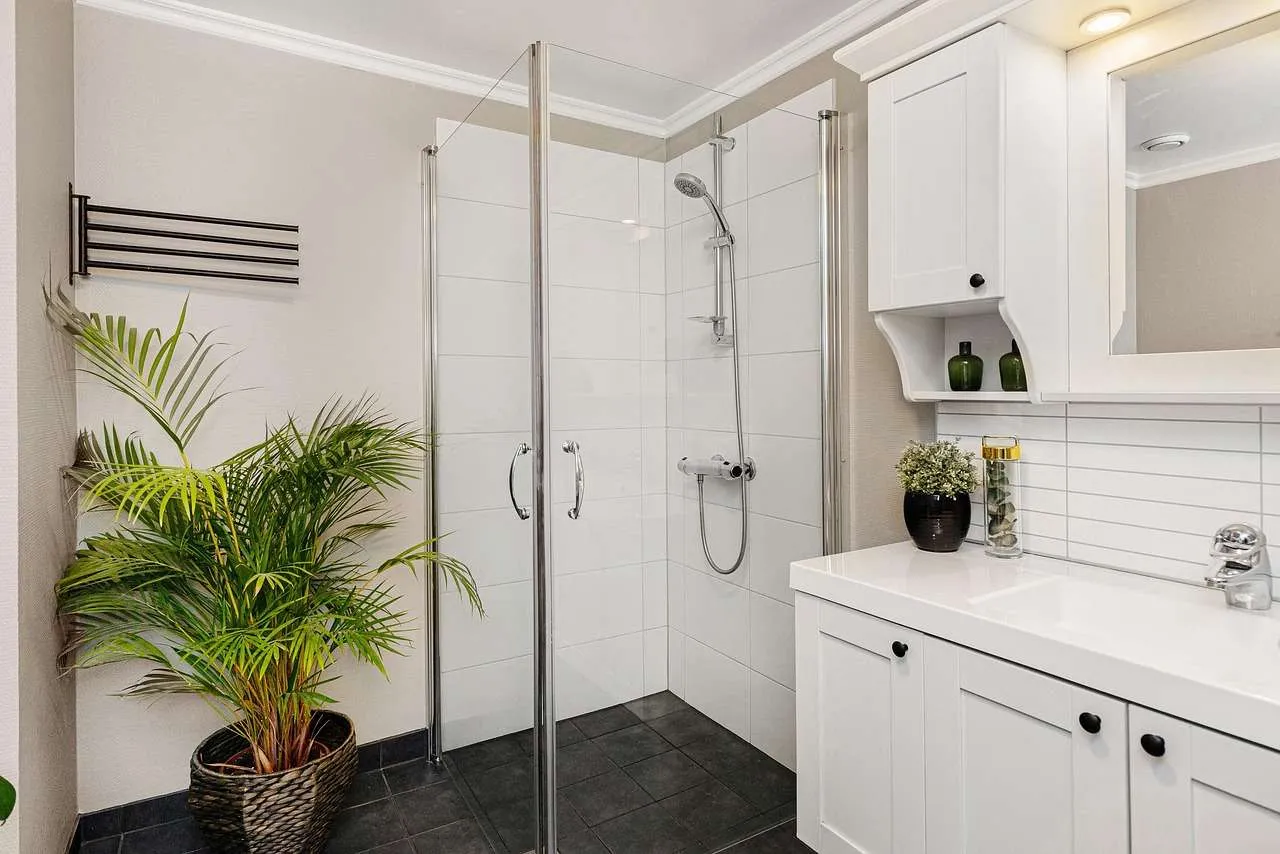
Plan the layout using full tiles on walls and the best cut sizes on floors to reduce waste. Consider a checkerboard or herringbone pattern for small bathrooms; use matching or contrasting grout to emphasize lines or create a seamless field. For showers, ensure proper slope and waterproofing with a suitable underlayment and curb handling.
Installation and maintenance
Professional installation is essential in wet areas. Prepare the substrate, apply a moisture barrier if required, and select appropriate thinset mortar and grout. For porcelain and ceramic, use a latex-modified thinset rated for floors; seal natural stone and grout where needed. Cleaning routines should include pH-neutral cleaners and soft cloths to avoid etching or dirt buildup. Routine resealing of stone and grout every 6 to 12 months extends life and appearance.
Tile type comparison
| Tile Type | Pros | Cons | Best For | Maintenance | Cost per sq ft |
|---|---|---|---|---|---|
| Porcelain | Very durable, low porosity, water resistant | Higher cost, harder to cut | Floors, showers, tub surrounds | Low maintenance; easy to clean | 2-7 |
| Ceramic | Budget-friendly, large design variety | Less dense, may wear faster on floors | Walls, backsplashes, light-use floors | Easy care, standard grout | 1-4 |
| Glass | Bright, reflective; great for backsplashes | Can be slippery on floors; prone to scratches | Backsplashes, feature walls | Wipes clean; seal not required | 6-15 |
| Natural Stone | Luxurious look; unique patterns | Requires sealing; higher maintenance | Showers, shower niches, floors | Seal and reseal; avoid harsh cleaners | 5-20 |
| Large-Format | Fewer grout lines; modern appeal | More demanding install; substrate must be flat | Floor and wall applications with large surfaces | Similar to tile; grout care varies | 3-8 |
Choosing the right tile also reflects broader principles of interior design, including color harmony with fixtures, vanity finishes, and natural or artificial lighting. For those seeking authoritative guidance, work with licensed tile installers and reputable brands that provide installation manuals, warranty terms, and quality certifications. This approach aligns with EEAT standards by ensuring expertise, trustworthiness, and transparent expectations for homeowners.
Summary: This guide highlights essential decisions for bathroom tiles, including material choice, layout, and upkeep. Porcelain and ceramic tiles offer durability and value for floors and walls, glass provides bright accents, natural stone adds luxury with sealing needs, and proper installation and sealing ensure long-lasting performance. By selecting the right tile format, finish, and professional install, you can achieve a stylish, water-resistant bathroom that stays beautiful for years.